

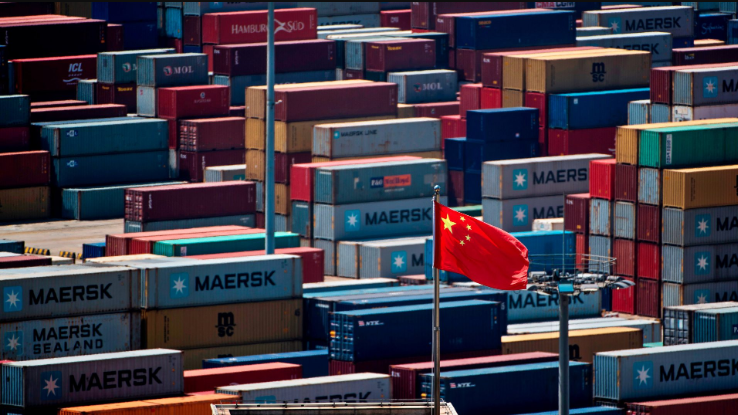
Tensions between China and its trade partners have been highlighted by a spate of announcements expanding tariffs on imports from China. These included the US announcement in May 2024 of expanded tariffs on Chinese semiconductors, lithium ion batteries and electric vehicles (EVs), and the EU’s announcement of planned countervailing duties on China-produced battery EVs in June. Further sharp increases in US trade tariffs look highly likely in the event of a second Donald Trump presidency.
Some large emerging markets also have plans to raise taxes this year on imported EVs, as Brazil is doing, or on Chinese vehicle imports, as in Turkey. In addition, Mexico raised tariffs in May on a number of products that will affect some imports from China, although EVs were not among them.
Fitch does not rate the main Chinese EV exporters. However, if curbs on exports accelerate the shift to EVs within China, that could exacerbate market-share loss risk for internal combustion engine vehicle producers, hurting profitability at Fitch-rated Chinese carmakers and their global JV partners. We do not expect the EU’s tariffs to affect its competitive landscape for autos in the near term, given the slowdown in the region’s EV uptake.
We believe Chinese ports facing potential disruptions from tariff hikes are likely to adjust their business mix, but negative risks to overall handling volume may still rise in the long run. Shifts in the export mix could also weigh on port operators’ profitability.
Source: Fitch Ratings