

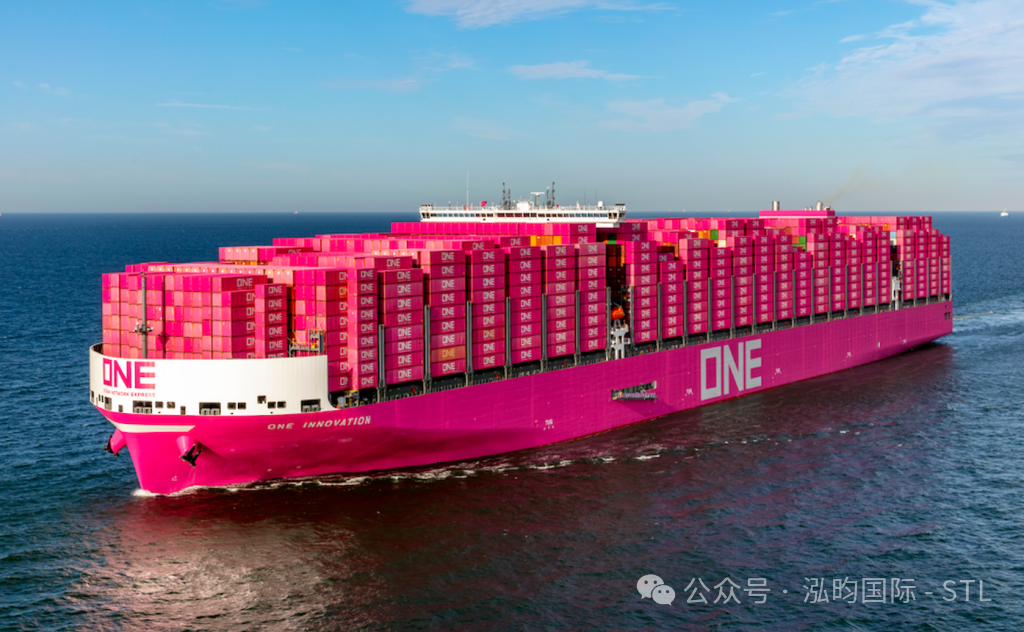
The updated structure includes modifications across multiple service loops, such as service integrations, rotation adjustments, and additional port calls, as part of ONE’s broader network optimization strategy.
Under this enhancement, the Japan–Thailand–Vietnam–Indian Subcontinent Service (JTI) will integrate the existing TIP, JT1, and JV2 services into a single, unified loop.
The revised JT1 rotation will be: Tokyo → Yokohama → Shimizu → Nagoya → Osaka → Kobe → Cai Mep → Laem Chabang → Singapore → Port Klang → Nhava Sheva → Pipavav → Karachi → Bin Qasim → Colombo → Laem Chabang → Cai Mep → Tokyo.
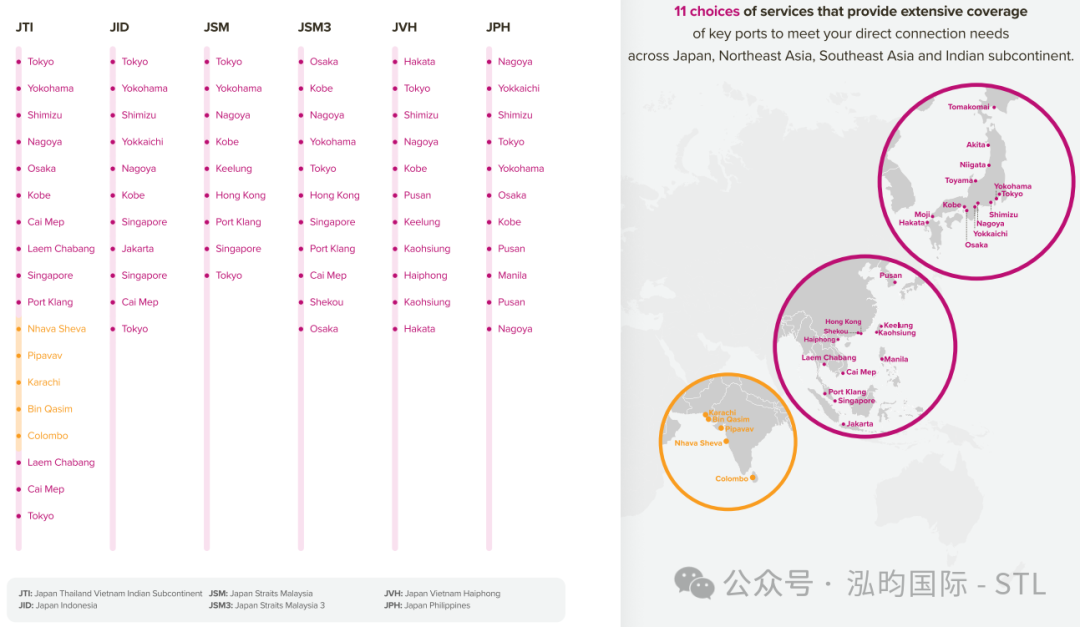
The Japan–Indonesia Service (JID) will operate on the following rotation: Tokyo → Yokohama → Shimizu → Yokkaichi → Nagoya → Kobe → Singapore → Jakarta → Singapore → Cai Mep → Tokyo, with the ports of Shimizu and Cai Mep newly included.
The Japan–Straits Malaysia Service (JSM) will be adjusted to: Tokyo → Yokohama → Nagoya → Kobe → Keelung → Hong Kong → Port Klang → Singapore → Tokyo, with Shimizu and Cai Mep removed from the rotation.
The JSM3 service will continue to connect: Osaka → Kobe → Nagoya → Yokohama → Tokyo → Hong Kong → Singapore → Port Klang → Cai Mep → Shekou → Osaka.
Additional services within the updated network include the JVH (Japan–Vietnam–Haiphong), JPH (Japan–Philippines), JK2 (Japan–Korea Express 2), BNX (Busan–Niigata Express), HAS (Hokkai–Arirang Express), as well as the Japan Shuttle East and Japan Shuttle West services, each featuring minor rotation adjustments on selected routes.
ONE stated that the enhanced East Asia–Japan network is designed to improve service reliability, expand port coverage, and provide customers with more efficient routing options across key trade corridors in Asia and the Indian subcontinent.